Skip to content
synovial sarcoma foundation
  • About
    • Mission
    • Initiatives
    • Affiliations
    • Leadership
    • Board of Directors
    • Medical Advisory Board
    • Careers
  • Resources
    • Synovial Sarcoma FAQ
    • Treatments
    • Clinical Trials & Therapies
    • Synovial Sarcoma Patient Survey
    • Synovial Sarcoma Tumor Board
    • Patient Stories
    • Patient Resources
    • Eddie’s Story
    • Sarcoma Awareness Month
    • Video Resources
  • Research Programs
    • Clinical Research
    • Tumor Glow
    • Synovial Sarcoma Registry
  • Latest News
Donate

Send us a note

Please fill out the form below and we will gladly respond as soon as possible.

    Latest News, Healthcare

    A New CAR-T Cell Approach for Synovial Sarcoma That Does Not Require HLA Matching
    August 17, 2026 ayushis Comments Off on A New CAR-T Cell Approach for Synovial Sarcoma That Does Not Require HLA Matching
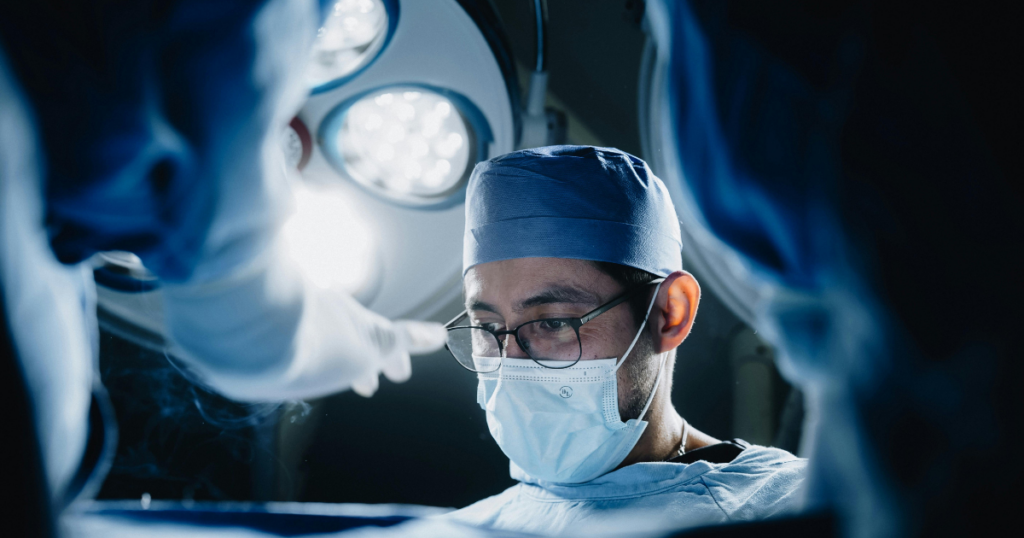
    A surgeon wearing a mask, glasses, and surgical cap is focused during an operation. Bright surgical lights shine overhead, and another medical professional’s arm is visible in the foreground.

    A new preclinical study published in Biomedicine and Pharmacotherapy by Tomohiro Miyazaki, Yudai Murayama, Naoki Oike, and colleagues from the Department of Pediatrics and Division of Orthopedic Surgery at Niigata University Graduate School of Medical and Dental Sciences, Japan, presents early but promising evidence for a CAR-T cell therapy designed for synovial sarcoma that does not require the HLA matching that limits eligibility for currently available TCR-T cell therapies.

    The Problem This Research Is Trying to Solve

    TCR-engineered T cell therapies, including the FDA-approved Tecelra, have delivered meaningful results in synovial sarcoma. However, these therapies require a specific HLA genotype present in only approximately 30% of the population, leaving at least 70% of patients ineligible. The Niigata University team set out to develop a CAR-T approach that sidesteps this limitation, since CAR-T cells recognize surface antigens without requiring HLA matching.

    What NKG2D Is and Why It Is a Promising Target

    NKG2D is a receptor on natural killer cells that activates immune responses against cancer cells. It recognizes a family of eight ligands (NKG2DLs) rarely expressed in healthy tissue but commonly found on tumor cells. The researchers confirmed NKG2DL expression across all three synovial sarcoma cell lines tested, and found significantly higher expression in primary tumor tissue compared to adjacent normal tissue. Unlike conventional CAR-T approaches targeting a single antigen, NKG2D-based CARs recognize all eight ligands simultaneously, potentially reducing the risk of tumor cells escaping treatment through antigen loss.

    What the Study Found

    The team constructed NKG2D-based CAR-T cells and tested them against synovial sarcoma in the laboratory and in mouse models. In laboratory experiments, the NKG2D-CAR-T cells showed significantly stronger anti-tumor activity against all three synovial sarcoma cell lines compared to control T cells, even at very low effector-to-tumor cell ratios. In mouse experiments, the CAR-T cells significantly suppressed tumor growth compared to no treatment and to a non-targeting control, with statistically significant differences in tumor volume by day 28.

    Looking Ahead

    This study is preclinical and has not yet been tested in humans. Further mechanistic, translational, and safety studies are needed before clinical trials can begin. However, if validated, NKG2D-based CAR-T therapy could represent the first cell therapy for synovial sarcoma that does not require HLA matching, potentially opening treatment to the majority of patients currently ineligible for existing TCR-T approaches. It would also offer a distinct mechanism of action for patients who have not responded to or relapsed after prior T-cell therapy.

    For more information, read the original publication. For more information about the Synovial Sarcoma Foundation, please visit our website.


    ayushis

    Post navigation

    Previous

    Search

    Categories

    • Black Flag Racing (2)
    • Case Study (4)
    • Children (1)
    • CHOP (3)
    • Clinical Trial (1)
    • Development (11)
    • Dr. Theodore Laetsch (3)
    • Education (22)
    • Europe Expansion (1)
    • Healthcare (13)
    • Latest News (16)
    • Patient Story (1)
    • Programs (1)
    • Rare Cancer (7)
    • Rare Cancer Funding (2)
    • Research (19)
    • Synovial Sarcoma Conference (2)
    • Synovial Sarcoma Registry (6)
    • Teresa Belluco (1)
    • Tumor Board (2)

    Recent posts

    • A surgeon wearing a mask, glasses, and surgical cap is focused during an operation. Bright surgical lights shine overhead, and another medical professional’s arm is visible in the foreground.
      A New CAR-T Cell Approach for Synovial Sarcoma That Does Not Require HLA Matching
    • A collage showing a woman in various moments: in a headscarf, in military attire, hugging her children, on her wedding day, and smiling with her family. Text reads, “Kaela’s Story.”.
      In Conversation with Kaela: How Research Gave a Mom of Two a Second Chance at Life
    • World’s First MAGE-A4-Targeting TCR-NK Therapy Zelluna Doses First Patient in Clinical Trial

    Tags

    Afami-cel Afamitresgene autoleucel Cancer Community Cancer Research Children's Hospital of Philadelphia jobs CHOP CHOP careers CHOP Center for Precision Medicine Clinical Research data staff scientist position CHOP engineered T-cell therapy solid tumor immunotherapy MAGE-A4 synovial sarcoma MAGE-A4 testing synovial sarcoma NY-ESO-1 synovial sarcoma NY-ESO-1 testing Pediatric Cancer precision medicine Rare Cancer rare cancer research rare disease rare soft tissue sarcoma research sarcoma research sarcoma treatment soft tissue sarcoma solitary fibrous tumor Synovial Sarcoma synovial sarcoma biomarker testing synovial sarcoma case report synovial sarcoma cell therapy synovial sarcoma diagnosis Synovial Sarcoma Foundation synovial sarcoma immunotherapy synovial sarcoma misdiagnosis synovial sarcoma research synovial sarcoma surgery synovial sarcoma treatment T-Cell Therapy targeted therapy TECELRA TECELRA eligibility criteria TECELRA pediatric approval Tecelra synovial sarcoma webinar

    Related posts

    A scientist wearing safety glasses and gloves closely examines samples through a microscope in a laboratory setting, concentrating on her research.
    Research, Latest News

    Breaking Down Synovial Sarcoma’s Defenses: A study on Immune Evasion and Targeted Treatment

    June 10, 2026 ayushis Comments Off on Breaking Down Synovial Sarcoma’s Defenses: A study on Immune Evasion and Targeted Treatment

    A landmark study from Jerby-Arnon, Neftel, Shore, and colleagues at the Broad Institute of Harvard and MIT, Massachusetts General Hospital, Dana-Farber Cancer Institute, and the University of Lausanne used single-cell RNA sequencing to profile 16,872 individual cells from 12 human synovial sarcoma tumors – one of the most detailed cellular portraits of this disease ever […]

    The Synovial Sarcoma Foundation is a registered 501(c)(3) nonprofit organization. Tax ID number is 33-4027591. Contributions to the Synovial Sarcoma Foundation are tax-deductible to the extent permitted by law.

    • Terms & conditions
    • Privacy policy
    synovial sarcoma foundation
    • community@synovialsarcoma.org
    1025 Thomas Jefferson St. NW, Suite W-3200, Washington DC 20007
    Facebook-f X-twitter Linkedin

    Navigation

    • About
    • Research Programs
    • Patient Stories
    • Resources

    Stay in touch