Skip to content
synovial sarcoma foundation
  • About
    • Mission
    • Initiatives
    • Affiliations
    • Leadership
    • Board of Directors
    • Careers
  • Resources
    • Synovial Sarcoma FAQ
    • Treatments
    • Clinical Trials & Therapies
    • Synovial Sarcoma Patient Survey
    • Synovial Sarcoma Tumor Board
    • Patient Stories
    • Patient Resources
    • Eddie’s Story
  • Research Programs
    • Clinical Research
    • Tumor Glow
    • Synovial Sarcoma Registry
  • Latest News
Donate

Send us a note

Please fill out the form below and we will gladly respond as soon as possible.

    Healthcare, Research

    Afamitresgene Autoleucel (Afami-cel): T-Cell Therapy Shows Promise in Synovial Sarcoma

    March 3, 2026 ayushis Comments Off on Afamitresgene Autoleucel (Afami-cel): T-Cell Therapy Shows Promise in Synovial Sarcoma
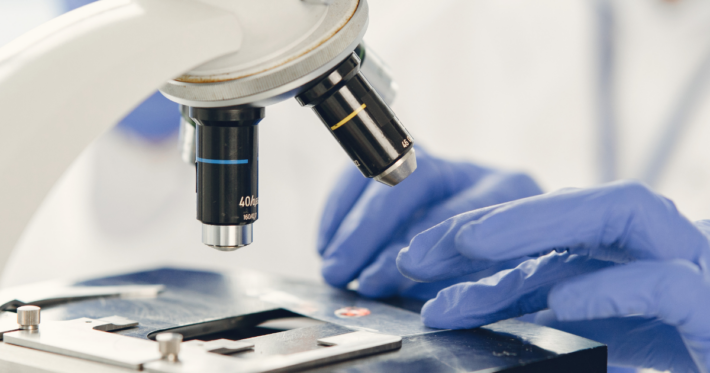
    A scientist wearing safety glasses and gloves closely examines samples through a microscope in a laboratory setting, concentrating on her research.

    Synovial sarcoma is a rare and often aggressive cancer that can become difficult to treat once it spreads. Traditional chemotherapy options are limited, and outcomes for metastatic disease remain poor. New research is exploring whether advanced T-cell therapies may offer another option.

    A recent clinical trial evaluated afamitresgene autoleucel (afami-cel), an engineered T-cell therapy designed to target tumors expressing MAGE-A4 in patients who are HLA-A*02 positive. This includes many patients with synovial sarcoma.

    How Afami-cel Works

    Afami-cel is an autologous T-cell therapy, meaning a patient’s own immune cells are collected, genetically modified in a laboratory to better recognize cancer cells, and then infused back into the body.

    Specifically, the therapy targets tumors that express the MAGE-A4 protein, which is commonly found in synovial sarcoma. By enhancing both CD4+ and CD8+ T cells, the treatment is designed to strengthen the immune system’s ability to recognize and attack cancer cells.

    Study Results

    In this clinical trial:

    • 52 patients with advanced synovial sarcoma or myxoid round cell liposarcoma were treated.
    • All participants had previously received chemotherapy.
    • The overall response rate was 37%.
    • Among synovial sarcoma patients specifically, the response rate was 39%.
    • Some responses were durable, meaning they lasted for a meaningful period of time.

    While not all patients responded, these results are notable given the limited treatment options available for advanced synovial sarcoma.

    Safety Profile

    As with other cellular therapies, side effects were common but generally manageable:

    • Cytokine release syndrome (CRS) occurred in 71% of patients.
    • Blood count suppression (including lymphopenia and neutropenia) was common.
    • Most adverse events were moderate in severity.
    • Importantly, there were no treatment-related deaths reported in this study.

    Patients receiving this therapy require close monitoring at specialized centers experienced in cellular immunotherapy.

    What This Means for Patients

    Afami-cel represents a growing area of precision immunotherapy in sarcoma care. However, it is important to understand that:

    • Eligibility depends on HLA typing and MAGE-A4 tumor expression.
    • Treatment is currently available only at select centers.
    • Long-term outcomes and durability of response are still being studied.
    • The study was relatively small and non-randomized.

    For eligible patients, therapies like afami-cel may offer a new option beyond traditional chemotherapy.

    The Bigger Picture

    This study adds to increasing momentum in T-cell–based therapies for synovial sarcoma. Similar approaches targeting specific tumor markers are being actively researched. As biomarker testing becomes more integrated into sarcoma care, identifying tumor characteristics such as MAGE-A4 expression may open doors to additional clinical trial options.

    If you or a loved one has synovial sarcoma, consider discussing:

    • HLA typing
    • MAGE-A4 testing
    • Immunotherapy eligibility
    • Available clinical trials

    Understanding your tumor’s biology may help expand your treatment options.

    For more detailed information, please refer to the original publication.

    For more information about synovial sarcoma resources and support, please visit our website.

    ayushis

    Post navigation

    Previous
    Next

    Search

    Categories

    • Black Flag Racing (2)
    • Case Study (3)
    • Children (1)
    • CHOP (3)
    • Development (10)
    • Dr. Theodore Laetsch (3)
    • Education (19)
    • Europe Expansion (1)
    • Healthcare (9)
    • Latest News (12)
    • Programs (1)
    • Rare Cancer (7)
    • Rare Cancer Funding (2)
    • Research (19)
    • Synovial Sarcoma Conference (2)
    • Synovial Sarcoma Registry (4)
    • Teresa Belluco (1)
    • Tumor Board (2)

    Recent posts

    • A scientist wearing safety glasses and gloves closely examines samples through a microscope in a laboratory setting, concentrating on her research.
      Breaking Down Synovial Sarcoma’s Defenses: A study on Immune Evasion and Targeted Treatment
    • A scientist wearing a lab coat, gloves, safety goggles, and a mask examines a test tube beside a microscope in a laboratory. Another scientist works in the background. Scientific equipment and screens are visible.
      When Synovial Sarcoma Hides in Plain Sight: A Diagnostic Wake-Up Call
    • A doctor wearing a white coat and stethoscope holds a glowing light bulb in one hand, symbolizing innovation or new ideas in healthcare.
      Rare Synovial Sarcoma Cases Highlight New Limb-Sparing Reconstruction Approach

    Tags

    Advocacy in Action Afami-cel CHOP clinical trial immunotherapy localized synovial sarcoma MAGE-A4 synovial sarcoma nonprofit drug development NY-ESO-1 synovial sarcoma personalized cancer treatment precision medicine radiation therapy for synovial sarcoma Rare Cancer Rare Cancer Europe rare cancer research rare soft tissue sarcoma research sarcoma clinical trials sarcoma research sarcoma surveillance sarcoma treatment soft tissue cancer soft tissue sarcoma solitary fibrous tumor SPAGN SS18 rearrangement SS18-SSX fusion SS18::SSX STAT6 positivity Synovial Sarcoma synovial sarcoma diagnosis Synovial Sarcoma Foundation Synovial Sarcoma Italy synovial sarcoma recurrence synovial sarcoma subtypes synovial sarcoma surgery synovial sarcoma survival synovial sarcoma treatment T-Cell Therapy targeted therapy T Cell TECELRA Tecelra T-cell therapy tumor size synovial sarcoma webinar

    Related posts

    A doctor wearing a white coat and stethoscope holds a glowing light bulb in one hand, symbolizing innovation or new ideas in healthcare.
    Development, Case Study

    Rare Synovial Sarcoma Cases Highlight New Limb-Sparing Reconstruction Approach

    May 29, 2026 ayushis Comments Off on Rare Synovial Sarcoma Cases Highlight New Limb-Sparing Reconstruction Approach

    A new case report published in the World Journal of Surgical Oncology explored an innovative reconstruction technique for rare soft tissue sarcomas of the hand and foot, including synovial sarcoma. The study was authored by Naoya Terao, Naoki Oike, Takashi Ariizumi, and colleagues, with research conducted primarily through the Division of Orthopedic Surgery at Niigata […]

    A healthcare professional in blue scrubs holds the hand of a patient in bed, offering comfort and support in a bright, sunlit room.
    Research, Rare Cancer

    Research Highlights Importance of Patient-Centered Sarcoma Surveillance

    May 22, 2026 ayushis Comments Off on Research Highlights Importance of Patient-Centered Sarcoma Surveillance

    A 2022 study explored how sarcoma patients feel about long-term surveillance imaging after treatment, highlighting the emotional, financial, and practical challenges that can come with ongoing follow-up care. The study, led by Sarah C. Tepper, Anna K. Holten, Cara A. Cipriano, and colleagues evaluated patient concerns surrounding surveillance imaging through the “Sarcoma Surveillance Survey.” The […]

    A close-up view of two hands in blue surgical gloves passing a surgical instrument under bright operating room lights.
    Case Study, Education

    Study Finds Tumor Size and Surgical Margins are Key Drivers of Synovial Sarcoma Outcomes

    May 20, 2026 ayushis Comments Off on Study Finds Tumor Size and Surgical Margins are Key Drivers of Synovial Sarcoma Outcomes

    A new multi-center retrospective study from three major U.S. sarcoma centers has analyzed outcomes in patients with localized synovial sarcoma, making it one of the largest modern cohorts to examine how tumor characteristics and treatment modality affect recurrence and survival in this disease. The study, led by Stefano Testa, Maggie Yuxi Zhou, and colleagues from […]

    The Synovial Sarcoma Foundation is a registered 501(c)(3) nonprofit organization. Tax ID number is 33-4027591. Contributions to the Synovial Sarcoma Foundation are tax-deductible to the extent permitted by law.

    • Terms & conditions
    • Privacy policy
    synovial sarcoma foundation
    • community@synovialsarcoma.org
    1025 Thomas Jefferson St. NW, Suite W-3200, Washington DC 20007
    Facebook-f X-twitter Linkedin

    Navigation

    • About
    • Research Programs
    • Patient Stories
    • Resources

    Stay in touch