Skip to content
synovial sarcoma foundation
  • About
    • Mission
    • Initiatives
    • Affiliations
    • Leadership
    • Board of Directors
    • Medical Advisory Board
    • Careers
  • Resources
    • Synovial Sarcoma FAQ
    • Treatments
    • Clinical Trials & Therapies
    • Synovial Sarcoma Patient Survey
    • Synovial Sarcoma Tumor Board
    • Patient Stories
    • Patient Resources
    • Eddie’s Story
    • Video Resources
    • SSF Ambassador Program
  • Research Programs
    • Clinical Research
    • Tumor Glow
    • Synovial Sarcoma Registry
  • Latest News
Donate

Send us a note

Please fill out the form below and we will gladly respond as soon as possible.


    Latest News, Research

    Innovative Approach Shows Promise Against Synovial Sarcoma Using Protein-Blocking Drugs

    September 11, 2025 joshs Comments Off on Innovative Approach Shows Promise Against Synovial Sarcoma Using Protein-Blocking Drugs
    Three scientists in white lab coats and hairnets work in a modern laboratory; one looks into a microscope, another reviews documents, and a third operates equipment in the background.

    The Synovial Sarcoma Foundation is dedicated to supporting cutting-edge research that advances treatment options for this rare and aggressive cancer. Recent findings published in The EMBO Journal highlight a promising new strategy: using drug blockers to target a problematic protein involved in synovial sarcoma’s genetics.

    Synovial sarcoma primarily develops in soft tissues such as muscles and ligaments near large joints like the knees. It affects approximately 800 to 1,000 people yearly in the United States, most often adolescents and young adults. While early diagnosis before metastasis can improve outcomes, nearly 20% of cases are diagnosed at an advanced stage, with cancer spread to the lungs being common. The five-year survival rate remains 50–60%, underscoring the urgent need for more effective targeted therapies.

    Researchers from Sanford Burnham Prebys Medical Discovery Institute, UCLA, UC San Diego, and the University of Edinburgh have made significant progress by leveraging public genomic data to identify vulnerabilities in synovial sarcoma cells. Their work focused on the genetic dependencies crucial for tumor growth and survival.

    By comparing publicly available data with laboratory experiments on cell cultures and mouse models, the scientists identified the SUMO2 gene as a key player. This gene encodes a protein called small ubiquitin-like modifier 2 (SUMO2), which was found to be essential for synovial sarcoma cell viability and was activated by the disease’s hallmark mutation involving the SS18::SSX fusion oncoprotein.

    Building on this discovery, the team tested a drug called TAK-981 designed to inhibit SUMO2 activity. The results were promising: drug treatment impaired the growth of synovial sarcoma cells and decreased the activity of cancer-driving genes, including the SS18::SSX fusion oncoprotein itself. Notably, SUMO2 inhibition also lowered the levels of this oncoprotein, which drives tumor development.

    “Developing targeted therapies for synovial sarcoma has been hampered by our limited understanding of its underlying mechanisms,” said Dr. Rema Iyer, lead author of the study. “Our findings show that SUMO2 inhibition is an attractive therapeutic strategy.”

    According to senior author Dr. Ani Deshpande, “SUMO2 inhibitors like TAK-981 may be effective on their own or in combination with existing chemotherapy, and prior preclinical studies suggest they could be a valuable addition in clinical settings.”

    The Synovial Sarcoma Foundation continues to support research innovations like this, which promise more effective, targeted treatments. We remain committed to advocating for studies that bring hope to patients and families affected by this challenging disease.

    For more details on this research, view the original publication in The EMBO Journal.

    Sources: Sanford Burnham Prebys, MedicalXpress.com

    • Cure
    • Protein-Blocking Drugs
    • SUMO2 inhibitors
    • Synovial Sarcoma
    • Synovial Sarcoma Foundation
    • TAK-981
    joshs

    Post navigation

    Previous
    Next

    Search

    Categories

    • Black Flag Racing (2)
    • Case Study (5)
    • Children (1)
    • CHOP (3)
    • Clinical Trial (4)
    • Development (12)
    • Dr. Theodore Laetsch (3)
    • Education (27)
    • Europe Expansion (1)
    • Healthcare (13)
    • Latest News (22)
    • Patient Story (1)
    • Programs (1)
    • Rare Cancer (7)
    • Rare Cancer Funding (2)
    • Research (21)
    • SSF Ambassador Program (1)
    • Synovial Sarcoma Conference (2)
    • Synovial Sarcoma Registry (7)
    • Teresa Belluco (1)
    • Tumor Board (2)

    Recent posts

    • A doctor in a white coat with a stethoscope around their neck holds a tablet device, standing in a medical setting with a patient lying on a bed in the background.
      Synovial Sarcoma of the Tibial Nerve: A Case of Diagnostic Ambiguity and Limb Salvage
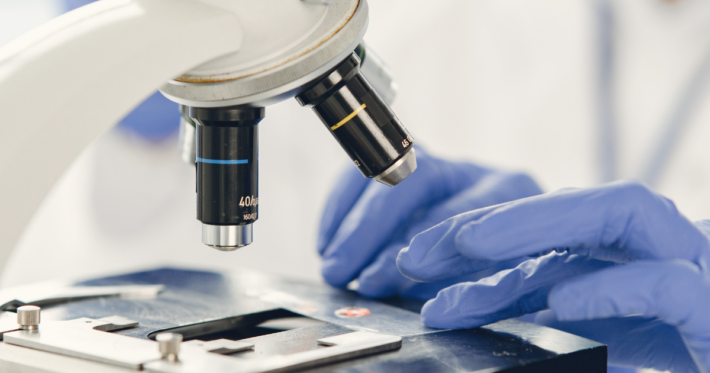
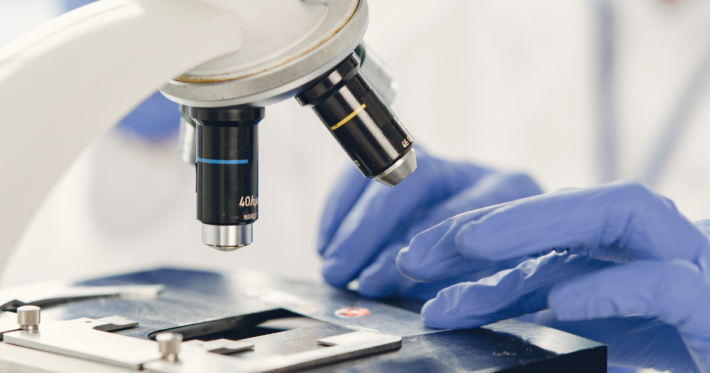
    • A scientist wearing blue gloves adjusts a microscope slide.
      Can We Reactivate T Cells After TCR-T Therapy Stops Working?
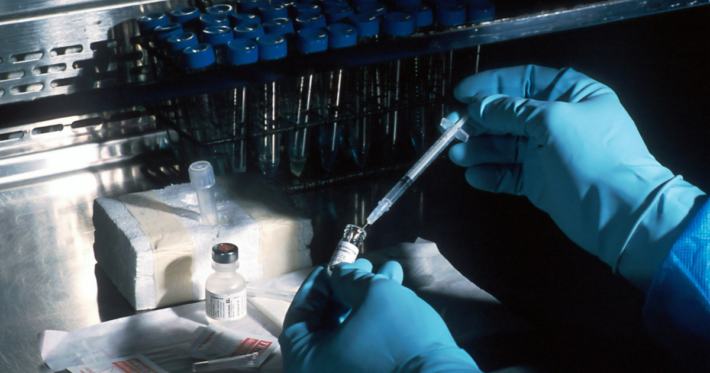
    • Hands wearing blue nitrile gloves draw liquid from a small glass vial into a syringe, with a rack of test tubes in the background.
      Why Every Tumor Sample Matters: What a New Sarcoma Biobank Study Means for Synovial Sarcoma

    Tags

    #AYACancer #CancerResearch #CaseReport #CellTherapy #ClinicalTrials #Immunotherapy #KnowYourOptions #MAGEA4 #MolecularDiagnostics #NYESO1 #PatientAdvocacy #RareCancer #RareDisease #Sarcoma #SarcomaAwareness #SoftTissueSarcoma #SS18SSX #SynovialSarcoma #SynovialSarcomaFoundation #TumorBoard Afami-cel Afamitresgene autoleucel Cancer Research CHOP immunotherapy MAGE-A4 synovial sarcoma NY-ESO-1 synovial sarcoma precision medicine Rare Cancer rare cancer research rare soft tissue sarcoma research sarcoma research sarcoma treatment soft tissue sarcoma Synovial Sarcoma synovial sarcoma biomarker testing synovial sarcoma diagnosis Synovial Sarcoma Foundation synovial sarcoma immunotherapy synovial sarcoma treatment T-Cell Therapy targeted therapy TCR Therapy TECELRA

    Related posts

    A scientist wearing blue gloves adjusts a microscope slide.
    Clinical Trial, Development

    Can We Reactivate T Cells After TCR-T Therapy Stops Working?

    November 3, 2026 ayushis Comments Off on Can We Reactivate T Cells After TCR-T Therapy Stops Working?

    A new pilot trial at Northwestern University is asking one of the most important questions in synovial sarcoma treatment: when TCR-T therapy stops working, are the T cells truly gone, or can they be brought back to life? Background: The Promise and the Limit of TCR-T Therapy TCR-T cell therapy represents a major advance for […]

    Hands wearing blue nitrile gloves draw liquid from a small glass vial into a syringe, with a rack of test tubes in the background.
    Latest News, Synovial Sarcoma Registry

    Why Every Tumor Sample Matters: What a New Sarcoma Biobank Study Means for Synovial Sarcoma

    October 28, 2026 ayushis Comments Off on Why Every Tumor Sample Matters: What a New Sarcoma Biobank Study Means for Synovial Sarcoma

    A new study in Advanced Science (October 12, 2026) shows what becomes possible when patients donate tumor tissue and researchers pair it with detailed clinical and genetic data. The same idea drives the Synovial Sarcoma Registry and Biorepository, and every patient who joins makes the next study possible. What the study found Over ten years, […]

    Close-up of blue gloved hands adjusting a microscope with two visible objective lenses, focusing on a glass slide in a laboratory setting.
    Education, Research

    The Cells Around the Tumor May Hold the Key to Improving Immunotherapy in Synovial Sarcoma

    September 14, 2026 ayushis Comments Off on The Cells Around the Tumor May Hold the Key to Improving Immunotherapy in Synovial Sarcoma

    A new study published in PLOS One by Ji-Yong Sung, Jin-Hong Kim, and Yi-Jun Kim from Seoul National University and Ewha Womans University, South Korea, examines a type of cell found in the tissue surrounding tumors, called cancer-associated fibroblasts (CAFs), and asks whether they can predict how a sarcoma patient will respond to immunotherapy. What […]

    The Synovial Sarcoma Foundation is a registered 501(c)(3) nonprofit organization. Tax ID number is 33-4027591. Contributions to the Synovial Sarcoma Foundation are tax-deductible to the extent permitted by law.

    • Terms & conditions
    • Privacy policy
    synovial sarcoma foundation
    • community@synovialsarcoma.org
    1025 Thomas Jefferson St. NW, Suite W-3200, Washington DC 20007
    Facebook-f X-twitter Linkedin

    Navigation

    • About
    • Research Programs
    • Patient Stories
    • Resources

    Stay in touch