Skip to content
synovial sarcoma foundation
  • About
    • Mission
    • Initiatives
    • Affiliations
    • Leadership
    • Board of Directors
    • Careers
  • Resources
    • Synovial Sarcoma FAQ
    • Treatments
    • Clinical Trials & Therapies
    • Synovial Sarcoma Patient Survey
    • Synovial Sarcoma Tumor Board
    • Patient Stories
    • Patient Resources
    • Eddie’s Story
  • Research Programs
    • Clinical Research
    • Tumor Glow
    • Synovial Sarcoma Registry
  • Latest News
Donate

Send us a note

Please fill out the form below and we will gladly respond as soon as possible.

    Healthcare, Research

    Afamitresgene Autoleucel (Afami-cel): T-Cell Therapy Shows Promise in Synovial Sarcoma

    March 3, 2026 ayushis Comments Off on Afamitresgene Autoleucel (Afami-cel): T-Cell Therapy Shows Promise in Synovial Sarcoma
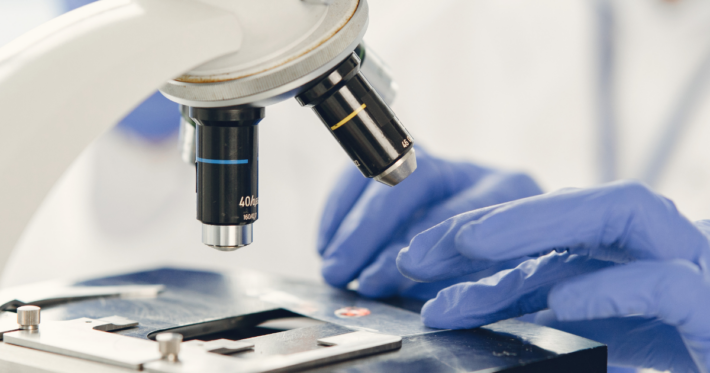
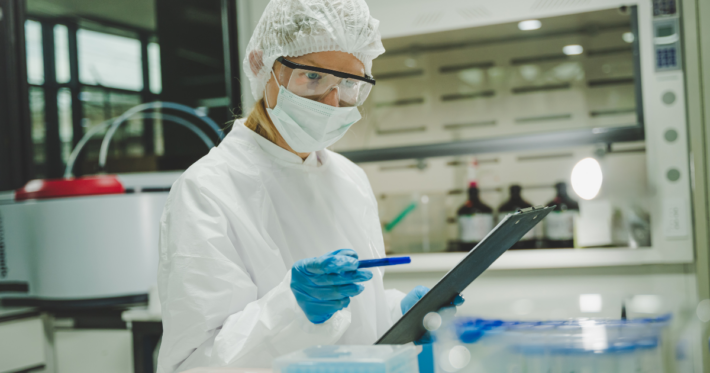
    A scientist wearing safety glasses and gloves closely examines samples through a microscope in a laboratory setting, concentrating on her research.

    Synovial sarcoma is a rare and often aggressive cancer that can become difficult to treat once it spreads. Traditional chemotherapy options are limited, and outcomes for metastatic disease remain poor. New research is exploring whether advanced T-cell therapies may offer another option.

    A recent clinical trial evaluated afamitresgene autoleucel (afami-cel), an engineered T-cell therapy designed to target tumors expressing MAGE-A4 in patients who are HLA-A*02 positive. This includes many patients with synovial sarcoma.

    How Afami-cel Works

    Afami-cel is an autologous T-cell therapy, meaning a patient’s own immune cells are collected, genetically modified in a laboratory to better recognize cancer cells, and then infused back into the body.

    Specifically, the therapy targets tumors that express the MAGE-A4 protein, which is commonly found in synovial sarcoma. By enhancing both CD4+ and CD8+ T cells, the treatment is designed to strengthen the immune system’s ability to recognize and attack cancer cells.

    Study Results

    In this clinical trial:

    • 52 patients with advanced synovial sarcoma or myxoid round cell liposarcoma were treated.
    • All participants had previously received chemotherapy.
    • The overall response rate was 37%.
    • Among synovial sarcoma patients specifically, the response rate was 39%.
    • Some responses were durable, meaning they lasted for a meaningful period of time.

    While not all patients responded, these results are notable given the limited treatment options available for advanced synovial sarcoma.

    Safety Profile

    As with other cellular therapies, side effects were common but generally manageable:

    • Cytokine release syndrome (CRS) occurred in 71% of patients.
    • Blood count suppression (including lymphopenia and neutropenia) was common.
    • Most adverse events were moderate in severity.
    • Importantly, there were no treatment-related deaths reported in this study.

    Patients receiving this therapy require close monitoring at specialized centers experienced in cellular immunotherapy.

    What This Means for Patients

    Afami-cel represents a growing area of precision immunotherapy in sarcoma care. However, it is important to understand that:

    • Eligibility depends on HLA typing and MAGE-A4 tumor expression.
    • Treatment is currently available only at select centers.
    • Long-term outcomes and durability of response are still being studied.
    • The study was relatively small and non-randomized.

    For eligible patients, therapies like afami-cel may offer a new option beyond traditional chemotherapy.

    The Bigger Picture

    This study adds to increasing momentum in T-cell–based therapies for synovial sarcoma. Similar approaches targeting specific tumor markers are being actively researched. As biomarker testing becomes more integrated into sarcoma care, identifying tumor characteristics such as MAGE-A4 expression may open doors to additional clinical trial options.

    If you or a loved one has synovial sarcoma, consider discussing:

    • HLA typing
    • MAGE-A4 testing
    • Immunotherapy eligibility
    • Available clinical trials

    Understanding your tumor’s biology may help expand your treatment options.

    For more detailed information, please refer to the original publication.

    For more information about synovial sarcoma resources and support, please visit our website.

    ayushis

    Post navigation

    Previous
    Next

    Search

    Categories

    • Black Flag Racing (2)
    • Children (1)
    • CHOP (3)
    • Development (8)
    • Dr. Theodore Laetsch (3)
    • Education (16)
    • Healthcare (9)
    • Latest News (8)
    • Programs (1)
    • Rare Cancer (4)
    • Rare Cancer Funding (1)
    • Research (17)
    • Synovial Sarcoma Conference (2)
    • Synovial Sarcoma Registry (3)
    • Teresa Belluco (1)
    • Tumor Board (2)

    Recent posts

    • A scientist wearing safety goggles and gloves examines samples through a microscope in a bright laboratory, with other researchers working in the background.
      New Research Identifies 4 Subtypes of Synovial Sarcoma, Opening Doors for Personalized Treatment
    • A scientist in a lab coat and gloves uses a pipette to add liquid to a test tube. Several test tubes filled with blue liquid are in a rack beside a microscope on a bright laboratory desk.
      What a Breakthrough in Ewing Sarcoma Means for Synovial Sarcoma
    • A doctor in a white coat with a stethoscope around their neck holds a tablet device, standing in a medical setting with a patient lying on a bed in the background.
      Rare Tumor Mimics Synovial Sarcoma: Why Accurate Diagnosis Matters

    Tags

    Afami-cel BRAF mutated synovial sarcoma chemotherapy CHOP clinical trial Clinical Trials clinical trials rare cancer diagnosis Ewing Sarcoma immunotherapy molecular testing new treatments for synovial sarcoma pediatric synovial sarcoma precision medicine Rare Cancer rare cancer clinical trials rare cancer research rare disease drug development rare disease funding rare pediatric cancer rare soft tissue sarcoma research soft tissue cancer soft tissue sarcoma SS18-SSX translocation SS18::SSX SS research Synovial Sarcoma synovial sarcoma case report synovial sarcoma clinical trials synovial sarcoma diagnosis Synovial Sarcoma Foundation synovial sarcoma in children synovial sarcoma research synovial sarcoma subtypes synovial sarcoma symptoms synovial sarcoma treatment synovial sarcoma treatment market targeted cancer therapy targeted therapies for sarcoma targeted therapy TECELRA trabectedin UK’s Rare Cancers Bill webinar

    Related posts

    A scientist wearing safety goggles and gloves examines samples through a microscope in a bright laboratory, with other researchers working in the background.
    Education, Healthcare

    New Research Identifies 4 Subtypes of Synovial Sarcoma, Opening Doors for Personalized Treatment

    April 23, 2026 ayushis Comments Off on New Research Identifies 4 Subtypes of Synovial Sarcoma, Opening Doors for Personalized Treatment

    Synovial sarcoma is a rare and aggressive soft tissue cancer, but new research is helping us better understand how it behaves—and how it may be treated in the future. A recent study using advanced single-cell RNA sequencing has identified four distinct subtypes of synovial sarcoma, each with unique biological features and potential treatment pathways. Why […]

    A scientist in a lab coat and gloves uses a pipette to add liquid to a test tube. Several test tubes filled with blue liquid are in a rack beside a microscope on a bright laboratory desk.
    Development, Education

    What a Breakthrough in Ewing Sarcoma Means for Synovial Sarcoma

    April 21, 2026 ayushis Comments Off on What a Breakthrough in Ewing Sarcoma Means for Synovial Sarcoma

    A new Phase 1/2 trial in Ewing sarcoma, just profiled in Clinical Trial Vanguard and published in Nature Medicine, delivered the kind of result the synovial sarcoma community should be watching closely. The trial paired trabectedin with low-dose irinotecan to target the EWS::FLI1 fusion, the oncogenic driver of Ewing sarcoma. For more than a decade, […]

    A doctor in a white coat with a stethoscope around their neck holds a tablet device, standing in a medical setting with a patient lying on a bed in the background.
    Education, Healthcare

    Rare Tumor Mimics Synovial Sarcoma: Why Accurate Diagnosis Matters

    April 17, 2026 ayushis Comments Off on Rare Tumor Mimics Synovial Sarcoma: Why Accurate Diagnosis Matters

    A recent case report highlights a rare GLI1-altered mesenchymal tumor presenting in the pleura (lining of the lung), a location where tumors can closely resemble synovial sarcoma. This case underscores a critical challenge in rare cancers — different tumors can appear similar under imaging and even under the microscope, making accurate diagnosis essential for appropriate […]

    The Synovial Sarcoma Foundation is a registered 501(c)(3) nonprofit organization. Tax ID number is 33-4027591. Contributions to the Synovial Sarcoma Foundation are tax-deductible to the extent permitted by law.

    • Terms & conditions
    • Privacy policy
    synovial sarcoma foundation
    • community@synovialsarcoma.org
    1025 Thomas Jefferson St. NW, Suite W-3200, Washington DC 20007
    Facebook-f X-twitter Linkedin

    Navigation

    • About
    • Research Programs
    • Patient Stories
    • Resources

    Stay in touch