Skip to content
synovial sarcoma foundation
  • About
    • Mission
    • Initiatives
    • Affiliations
    • Leadership
    • Board of Directors
    • Careers
  • Resources
    • Synovial Sarcoma FAQ
    • Treatments
    • Clinical Trials & Therapies
    • Synovial Sarcoma Patient Survey
    • Synovial Sarcoma Tumor Board
    • Patient Stories
    • Patient Resources
    • Eddie’s Story
  • Research Programs
    • Clinical Research
    • Tumor Glow
    • Synovial Sarcoma Registry
  • Latest News
Donate

Send us a note

Please fill out the form below and we will gladly respond as soon as possible.

    Development, Education

    What a Breakthrough in Ewing Sarcoma Means for Synovial Sarcoma

    April 21, 2026 ayushis Comments Off on What a Breakthrough in Ewing Sarcoma Means for Synovial Sarcoma
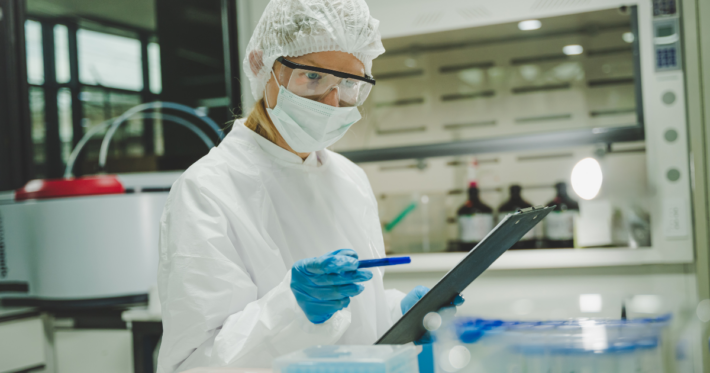
    A scientist in a lab coat and gloves uses a pipette to add liquid to a test tube. Several test tubes filled with blue liquid are in a rack beside a microscope on a bright laboratory desk.

    A new Phase 1/2 trial in Ewing sarcoma, just profiled in Clinical Trial Vanguard and published in Nature Medicine, delivered the kind of result the synovial sarcoma community should be watching closely. The trial paired trabectedin with low-dose irinotecan to target the EWS::FLI1 fusion, the oncogenic driver of Ewing sarcoma. For more than a decade, fusion proteins like EWS::FLI1 and our own SS18::SSX have been called “undruggable.” This trial is one of the clearest signals yet that the next generation of precision oncology can change that.

    Why this matters for synovial sarcoma

    • Ewing sarcoma and synovial sarcoma are close cousins at the molecular level.
      Both are rare, aggressive cancers defined by a single fusion oncoprotein: EWS::FLI1
      in Ewing, SS18::SSX in synovial sarcoma. Both fusions are intrinsically disordered
      transcription factors, and both have resisted direct drug targeting for decades. A
      win in one fusion-driven sarcoma meaningfully raises confidence in the strategy
      across the family.
    • The “indirect attack” strategy is the same one SS research is pursuing. Rather than hitting the fusion protein head-on, the Ewing trial attacks its downstream transcriptional machinery. That is the exact playbook behind the most promising synovial sarcoma programs today: BRD9 protein degraders (CFT8634, FHD-609), WDR5 PROTACs, HDAC inhibitor combinations, and EZH2 inhibitors like tazemetostat. All of them target what the fusion does, not what it is.
    • Trabectedin is already a sarcoma drug. This is not a distant translational leap. Trabectedin is approved for soft tissue sarcoma and has been studied in synovial sarcoma patients for years. A positive Phase 1/2 signal in another fusion-driven sarcoma, using a drug already familiar to sarcoma oncologists, is directly relevant to how we think about combination strategies in SS.
    • Trial design matters as much as the drug. Ultra-rare fusion-driven cancers cannot rely on traditional large Phase 3 trials. The Ewing study leaned on adaptive design and mechanism-driven endpoints, exactly the framework synovial sarcoma needs as more than 15 companies advance more than 20 investigational therapies into our pipeline. Every successful rare-disease trial design makes the next one easier to run.
    • The broader takeaway: fusion oncology is delivering. Larotrectinib proved it in TRK-fusion cancers. Trastuzumab deruxtecan proved it in HER2-low breast cancer. Now trabectedin plus irinotecan is proving it in Ewing sarcoma. Synovial sarcoma is next in line, and the scientific, regulatory, and investor environment has never been more aligned behind our disease.

    What we are watching at the Foundation

    BRD9 degraders in Phase 1/2 for advanced synovial sarcoma, ongoing HDAC and EZH2 combination strategies, the ECHO mRNA vaccine program targeting SS18-SSX fusion epitopes, and early WDR5 PROTAC work now moving toward translation. Each of these programs borrows from the same fundamental insight the Ewing trial just validated: you can beat a fusion cancer without hitting the fusion directly.

    Progress in one fusion-driven sarcoma accelerates progress in all of them. We will keep the community updated as these parallel SS programs read out.

    Read the full Clinical Trial Vanguard piece here.

    Learn more about the synovial sarcoma clinical trials landscape here.

    ayushis

    Post navigation

    Previous
    Next

    Search

    Categories

    • Black Flag Racing (2)
    • Children (1)
    • CHOP (3)
    • Development (8)
    • Dr. Theodore Laetsch (3)
    • Education (16)
    • Healthcare (9)
    • Latest News (8)
    • Programs (1)
    • Rare Cancer (4)
    • Rare Cancer Funding (1)
    • Research (17)
    • Synovial Sarcoma Conference (2)
    • Synovial Sarcoma Registry (3)
    • Teresa Belluco (1)
    • Tumor Board (2)

    Recent posts

    • A scientist wearing safety goggles and gloves examines samples through a microscope in a bright laboratory, with other researchers working in the background.
      New Research Identifies 4 Subtypes of Synovial Sarcoma, Opening Doors for Personalized Treatment
    • A scientist in a lab coat and gloves uses a pipette to add liquid to a test tube. Several test tubes filled with blue liquid are in a rack beside a microscope on a bright laboratory desk.
      What a Breakthrough in Ewing Sarcoma Means for Synovial Sarcoma
    • A doctor in a white coat with a stethoscope around their neck holds a tablet device, standing in a medical setting with a patient lying on a bed in the background.
      Rare Tumor Mimics Synovial Sarcoma: Why Accurate Diagnosis Matters

    Tags

    Afami-cel BRAF mutated synovial sarcoma chemotherapy CHOP clinical trial Clinical Trials clinical trials rare cancer diagnosis Ewing Sarcoma immunotherapy molecular testing new treatments for synovial sarcoma pediatric synovial sarcoma precision medicine Rare Cancer rare cancer clinical trials rare cancer research rare disease drug development rare disease funding rare pediatric cancer rare soft tissue sarcoma research soft tissue cancer soft tissue sarcoma SS18-SSX translocation SS18::SSX SS research Synovial Sarcoma synovial sarcoma case report synovial sarcoma clinical trials synovial sarcoma diagnosis Synovial Sarcoma Foundation synovial sarcoma in children synovial sarcoma research synovial sarcoma subtypes synovial sarcoma symptoms synovial sarcoma treatment synovial sarcoma treatment market targeted cancer therapy targeted therapies for sarcoma targeted therapy TECELRA trabectedin UK’s Rare Cancers Bill webinar

    Related posts

    A scientist wearing safety goggles and gloves examines samples through a microscope in a bright laboratory, with other researchers working in the background.
    Education, Healthcare

    New Research Identifies 4 Subtypes of Synovial Sarcoma, Opening Doors for Personalized Treatment

    April 23, 2026 ayushis Comments Off on New Research Identifies 4 Subtypes of Synovial Sarcoma, Opening Doors for Personalized Treatment

    Synovial sarcoma is a rare and aggressive soft tissue cancer, but new research is helping us better understand how it behaves—and how it may be treated in the future. A recent study using advanced single-cell RNA sequencing has identified four distinct subtypes of synovial sarcoma, each with unique biological features and potential treatment pathways. Why […]

    A doctor in a white coat with a stethoscope around their neck holds a tablet device, standing in a medical setting with a patient lying on a bed in the background.
    Education, Healthcare

    Rare Tumor Mimics Synovial Sarcoma: Why Accurate Diagnosis Matters

    April 17, 2026 ayushis Comments Off on Rare Tumor Mimics Synovial Sarcoma: Why Accurate Diagnosis Matters

    A recent case report highlights a rare GLI1-altered mesenchymal tumor presenting in the pleura (lining of the lung), a location where tumors can closely resemble synovial sarcoma. This case underscores a critical challenge in rare cancers — different tumors can appear similar under imaging and even under the microscope, making accurate diagnosis essential for appropriate […]

    Transparent blue spheres with molecular structures inside float near visible DNA double helix strands, creating a scientific and futuristic background focused on genetics and biotechnology.
    Education, Programs

    Cell Therapies for Synovial Sarcoma: Afami-cel (Tecelra)

    April 15, 2026 ayushis Comments Off on Cell Therapies for Synovial Sarcoma: Afami-cel (Tecelra)

    Advances in cell therapy for synovial sarcoma are creating more treatment options for patients with advanced disease. A recent update from Penn Medicine highlights the growing role of T-cell therapies in treating rare cancers like synovial sarcoma. What Is Afami-cel? Afamitresgene autoleucel (afami-cel) is the first FDA-approved T-cell receptor (TCR) therapy for adults with advanced […]

    The Synovial Sarcoma Foundation is a registered 501(c)(3) nonprofit organization. Tax ID number is 33-4027591. Contributions to the Synovial Sarcoma Foundation are tax-deductible to the extent permitted by law.

    • Terms & conditions
    • Privacy policy
    synovial sarcoma foundation
    • community@synovialsarcoma.org
    1025 Thomas Jefferson St. NW, Suite W-3200, Washington DC 20007
    Facebook-f X-twitter Linkedin

    Navigation

    • About
    • Research Programs
    • Patient Stories
    • Resources

    Stay in touch